
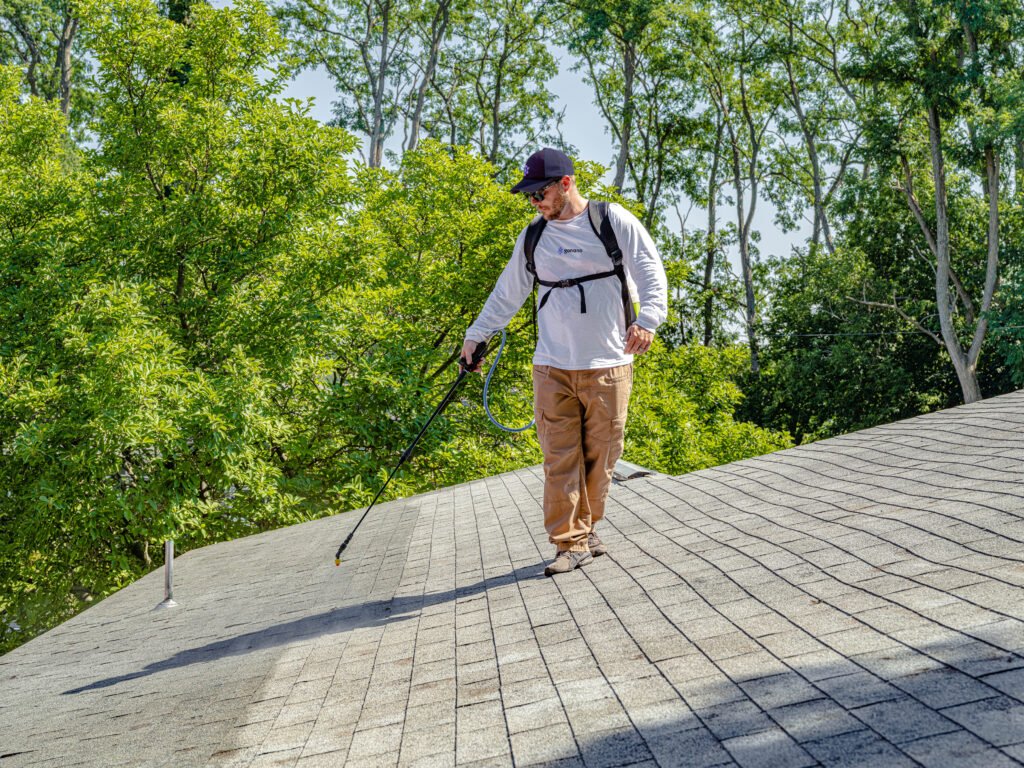
Advanced Shingle Modification Attractive
The Science Behind Our Roof Rejuvenation
Advanced Shingle Modification Attractive
Moisture intrusion is the leading cause of asphalt shingle failure. Nova Spray uses advanced nano‑scale silane / siloxane technology from GoNano designed to penetrate roofing materials, repel water, and reduce the environmental stress that accelerates roof aging – all without trapping moisture or changing the appearance of your roof.
Why Moisture Matters More Than Age
While UV exposure contributes to aging, water absorption is the dominant driver of premature roof failure.
When asphalt shingles absorb moisture, they become vulnerable to:
- Freeze–thaw expansion and cracking
- Granule loss and surface erosion
- Accelerated oxidation and brittleness
- Reduced structural integrity
Reducing moisture uptake is one of the most effective ways to slow roof deterioration.
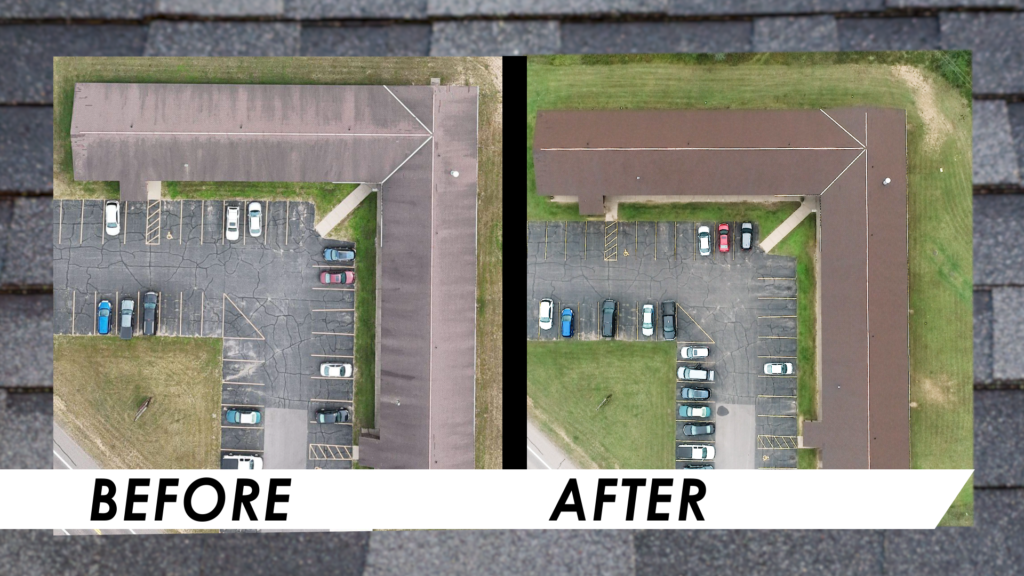
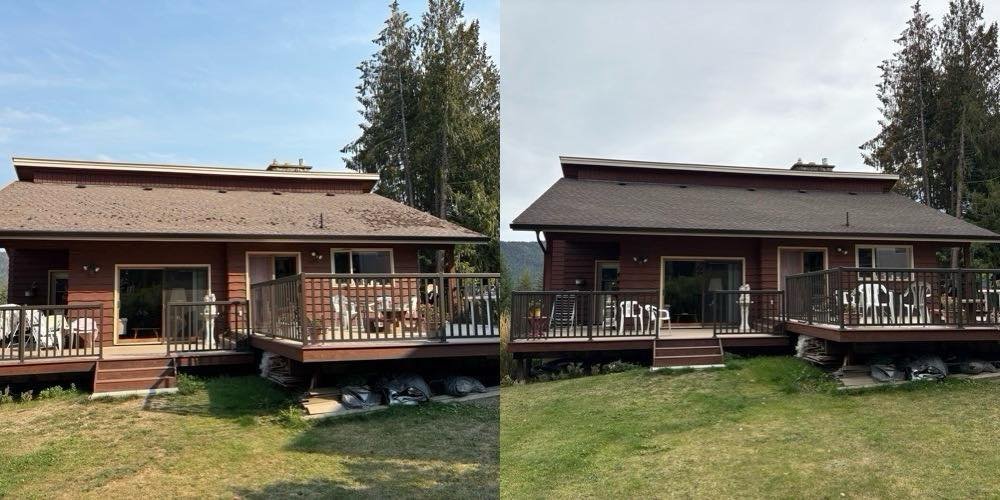
Hydrophobic Performance (Water Repellency)
How Water Is Prevented From Entering the Shingle
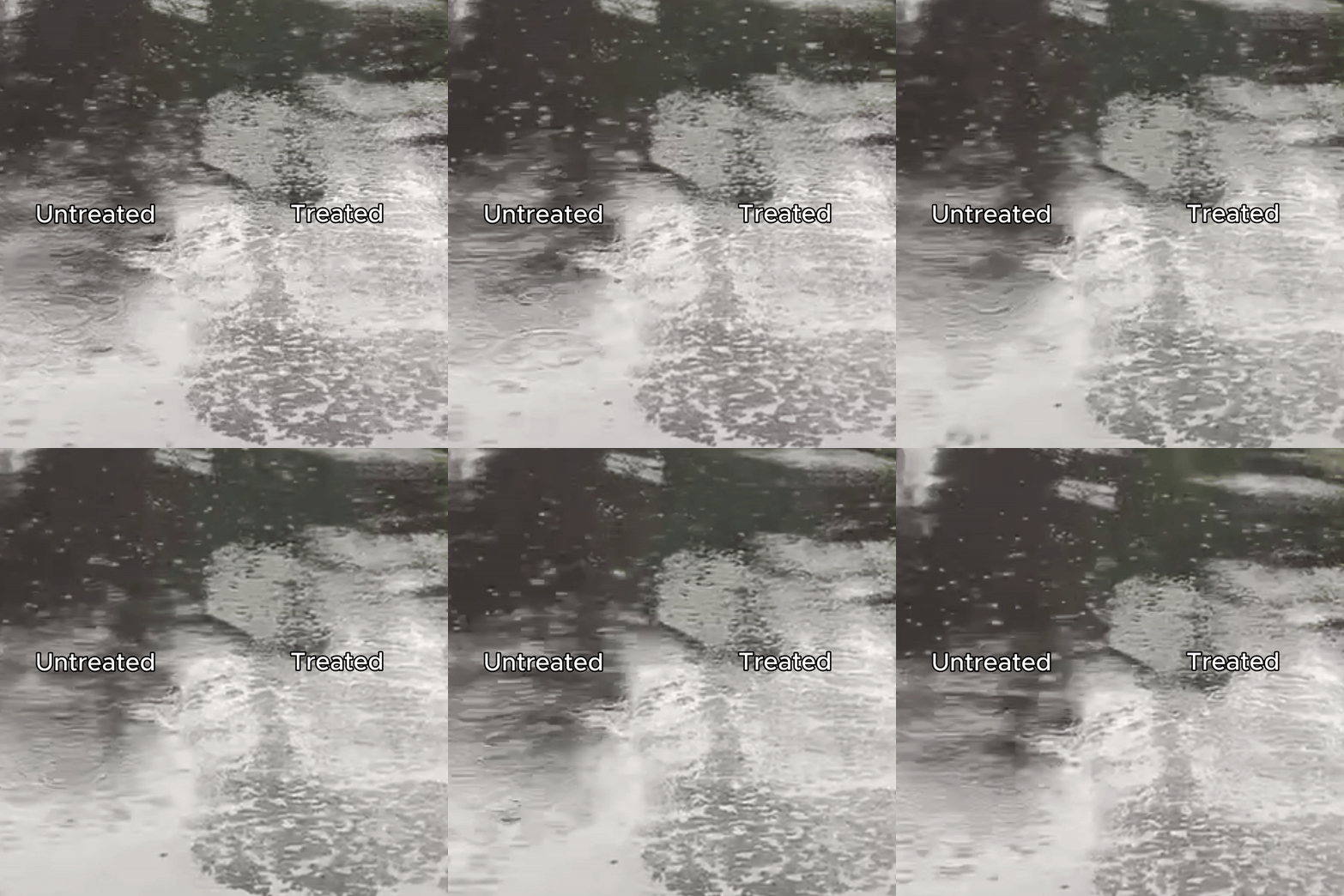
Hydrophobicity is measured using water contact angle testing. Higher contact angles indicate stronger water repellency.
How Water Is Prevented From Entering the Shingle
Independent laboratory testing on GoNano treated shingles shows
- Significantly increased water contact angles
- Water beading and runoff instead of absorption
- Reduced liquid water ingress into porous substrates
Real‑world result: shingles stay drier after rain, snow, and ice exposure.
Repelling Water Without Trapping Moisture
Breathability & Vapor Permeability
Third‑party testing confirms that nano‑treated materials retain vapor permeability, meaning:
- Moisture from inside the roof assembly can escape
- Attic ventilation performance is not compromised
- Risk of blistering, rot, and mold is reduced
This balance is critical for long‑term roof health.
Freeze–Thaw Resistance
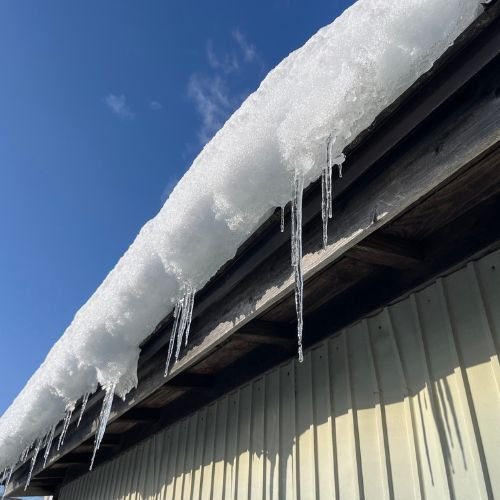
When absorbed water freezes, it expands by approximately 9%. Over thousands of freeze–thaw cycles, this expansion causes micro‑fractures, cracking, and granule loss.
By reducing water absorption, nano‑treated shingles experience:
- Lower internal ice formation
- Reduced freeze‑thaw stress
- Improved durability in cold climates
This is particularly relevant in Atlantic Canada